Home / Legacy of Sensei Peter St. Onge & Simcoe Goju-Ryu
Legacy of Sensei Peter St. Onge & Simcoe Goju-Ryu
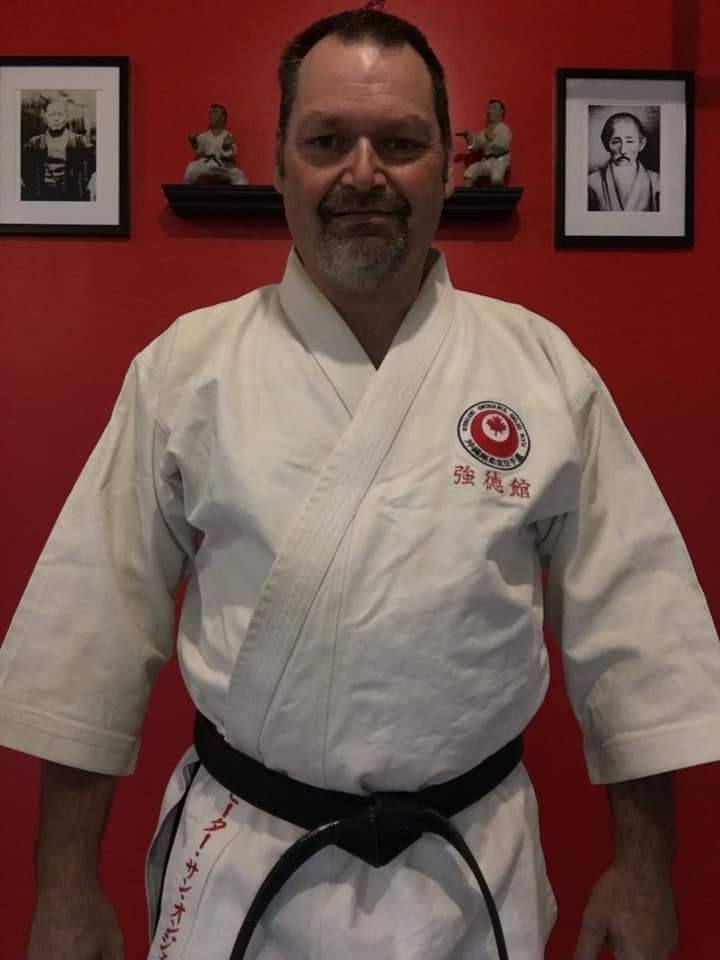
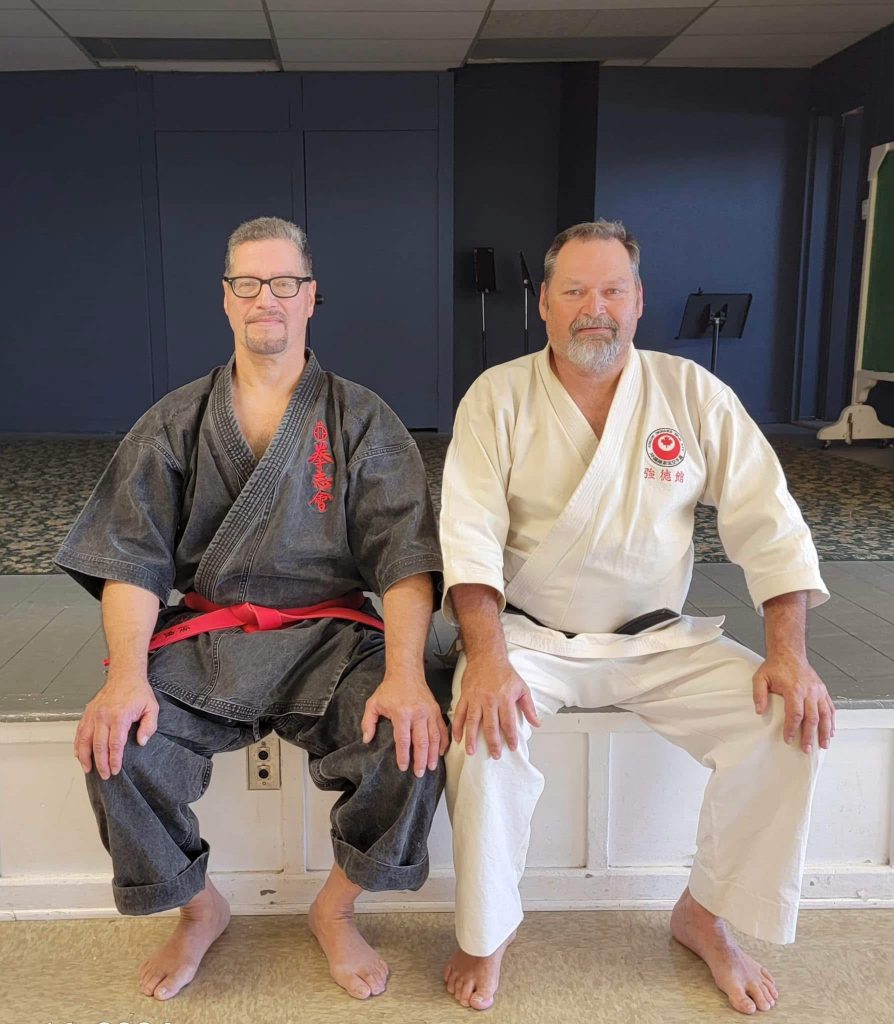
Renshi Peter St. Onge — Founder of Simcoe Goju-Ryu. “Character building through diligent martial arts study and applications.”
Simcoe Goju-Ryu was built on standards that did not bend: real-world function, technical accountability, and character before rank. Renshi Peter St. Onge taught Goju-Ryu as a life-preservation art—rooted in structure, extensive partner work, and the disciplined study of kata.
While Renshi was his formal title within the Goju-Ryu system, to his students he was always Sensei—the role he fulfilled daily through instruction, mentorship, and leadership on the floor. This page exists to honour his legacy, his students, and the responsibility carried forward through Huronia Goju-Ryu.
Who Sensei St. Onge Was
Sensei Peter St. Onge was a senior Goju-Ryu practitioner, teacher, and founder of Kyotokukan Dojo in Coldwater, Ontario. His approach to karate was clear: training must build ability, resilience, and character—without shortcuts.
In his own student handbook, he describes karate as a “weaponless method of life preservation” and emphasizes that it is a complete system—training the mind, body, and spirit—not just “kicking and punching.”
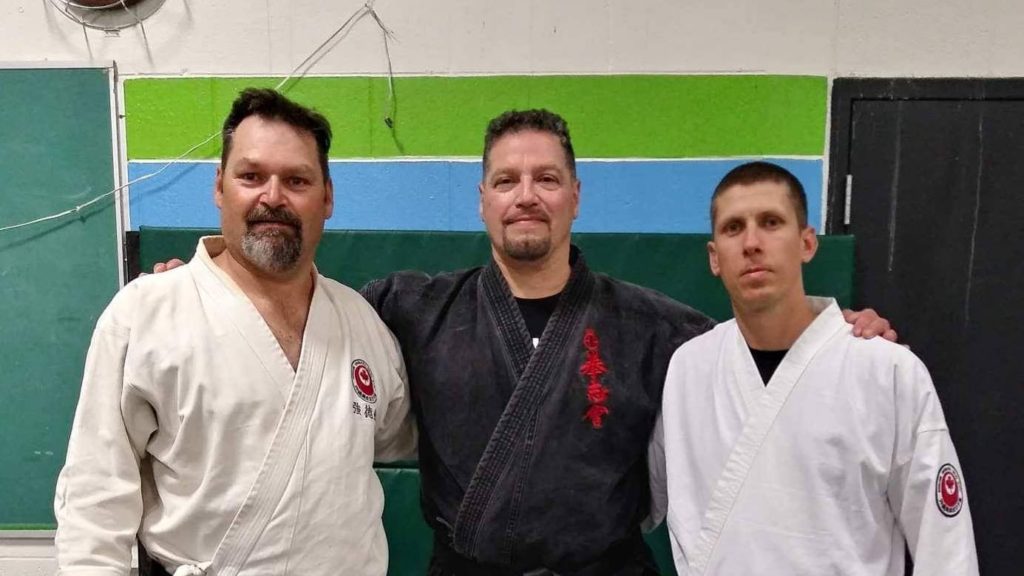
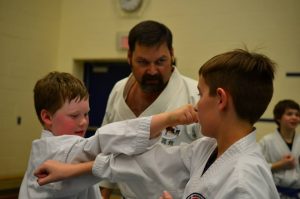
A teacher’s role is more than technique—guiding students through discipline, responsibility, and growth.
Simcoe Goju-Ryu: Mission, Identity, and Standards
Simcoe Goju-Ryu was formed to support quality instruction and protect the integrity of karate as it was intended: for preservation of life. The association’s identity blended Okinawan roots with Canadian origin—symbolized in the Simcoe Goju-Ryu crest combining the Okinawan flag and the maple leaf.
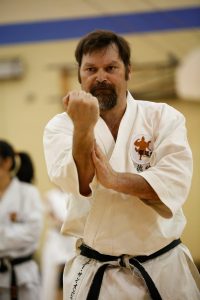
Sensei St. Onge emphasized correct structure and body alignment, extensive partner work, disciplined kata study with practical interpretation, and training for reliability under pressure.
Kyotokukan: The House of Strong Virtues
When Sensei St. Onge named his dojo Kyotokukan—“The House of Strong Virtues”—he anchored training to a personal code of conduct. In his handbook, he identified the seven virtues of Budo—right action, respect, courage, honour, compassion, honesty and sincerity, and duty and loyalty—not as abstract ideals, but as daily disciplines to be practiced consistently, both inside the dojo and beyond it.
Kenshikai Connection and Classical Goju-Ryu
Simcoe Goju-Ryu operated in alignment with Kenshikai values and classical Okinawan Goju-Ryu standards. In the student handbook, Kenshikai is described as an organization dedicated to the study, advancement, and preservation of classical Okinawan Goju-Ryu under Okinawan leadership, with North American direction and oversight.
This matters because legacy is not simply memory—it is lineage, accountability, and living instruction.
How He Taught
Simcoe Goju-Ryu emphasized reliability, accountability, and training that holds up under stress.
Structure
Training emphasized alignment, biomechanics, and efficiency.
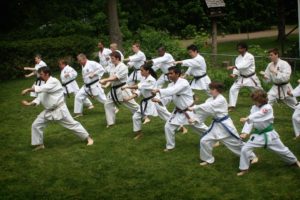
Kata + Application
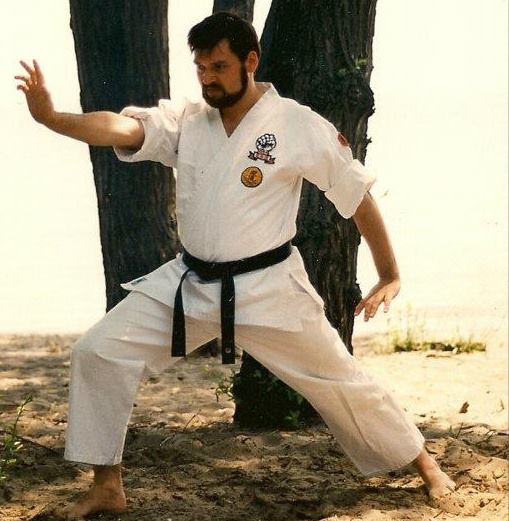
Kata was treated as a “physical instruction manual,” paired with applied interpretation.
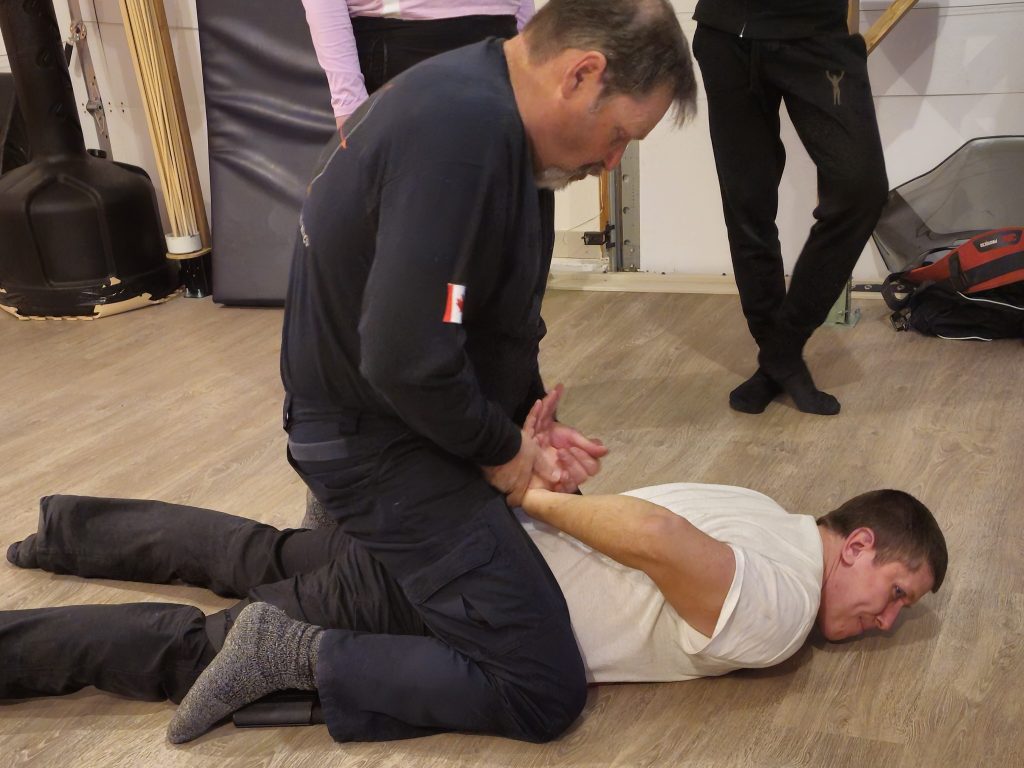
Partner Work
Students trained with each other as a responsibility—learning timing, control, and realism.
Standards
Progression required understanding and consistent effort, not entitlement.
Character
Discipline and conduct were part of the curriculum, not optional add-ons.
A Legacy Carried Forward
The legacy of Sensei St. Onge continues through the students he shaped and the standards he enforced. Huronia Goju-Ryu carries forward the responsibility to teach Goju-Ryu honestly—preserving what was received, maintaining accountability, and continuing development under living guidance.
This is not about copying a curriculum. It is about continuing the ethic behind it: quality, humility, and function over appearance.
In Memoriam
Sensei Peter St. Onge’s influence remains present in every serious training session built on humility, structure, and responsibility. We honour him by keeping standards high, by training with integrity, and by protecting the meaning of Goju-Ryu as a life-preservation art.